Exploring Art Direction in Film and Fashion
- villalobosmajo91
- 7 hours ago
- 4 min read
Art direction plays a crucial role in both film and fashion, shaping the visual narrative and emotional resonance of a project. It is the art director's responsibility to create a cohesive aesthetic that aligns with the story being told, whether on screen or in a fashion collection. This blog post delves into the intricacies of art direction, examining its significance, techniques, and the interplay between film and fashion.
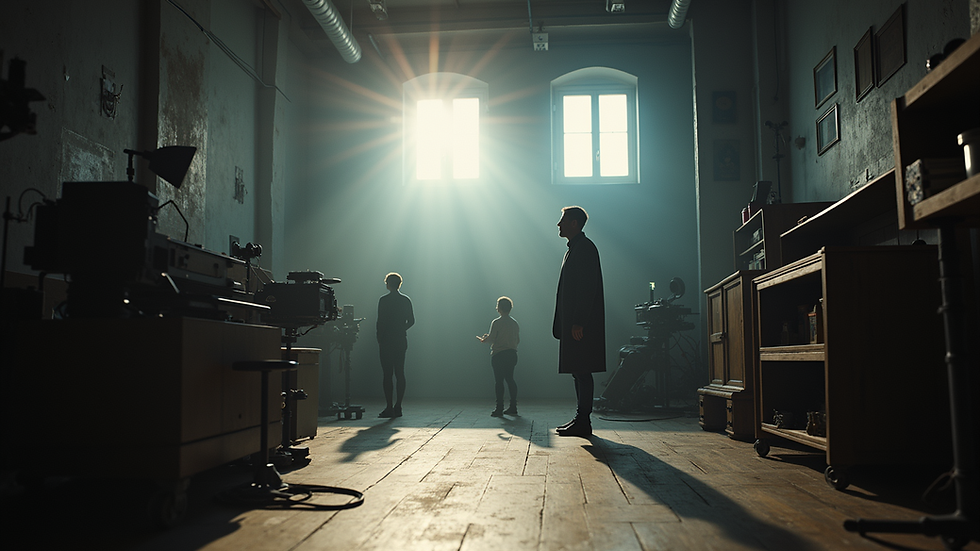
The Importance of Art Direction
Art direction is more than just decoration; it is a fundamental component of storytelling. In film, the art director collaborates with the director and cinematographer to create a visual style that enhances the narrative. Similarly, in fashion, the art director works with designers to curate a collection that communicates a specific theme or concept.
Key Responsibilities of an Art Director
Visual Concept Development: Art directors develop the visual concept for a project, ensuring that every element aligns with the overall theme.
Collaboration: They work closely with various departments, including costume design, set design, and cinematography, to create a unified look.
Attention to Detail: Art directors focus on the minutiae, from color palettes to textures, ensuring that every detail contributes to the overall aesthetic.
Art Direction in Film
In the realm of film, art direction is pivotal in establishing the mood and tone of a scene. The art director's vision influences everything from the set design to the props used, creating an immersive experience for the audience.
Case Study: The Grand Budapest Hotel
Wes Anderson's "The Grand Budapest Hotel" is a prime example of exceptional art direction. The film features a meticulously crafted world, with vibrant colors and symmetrical compositions that reflect the whimsical nature of the story. The art director, Adam Stockhausen, created a unique visual language that enhances the film's narrative, making it a feast for the eyes.
Color Palette: The use of pastel colors creates a dreamlike quality, drawing viewers into the film's fantastical world.
Set Design: Each set is intricately designed, with attention to historical accuracy and artistic flair, contributing to the film's overall charm.
Art Direction in Fashion
Fashion art direction focuses on creating a visual identity for a brand or collection. It involves curating looks, selecting locations for shoots, and designing promotional materials that reflect the brand's ethos.
Case Study: Gucci's Fall/Winter 2021 Collection
Gucci's Fall/Winter 2021 collection, directed by Alessandro Michele, showcases the power of art direction in fashion. The collection features a blend of vintage and contemporary styles, with an emphasis on bold patterns and eclectic accessories.
Visual Storytelling: The campaign tells a story of nostalgia and individuality, inviting viewers to explore their personal style.
Set Design: The choice of locations, from opulent mansions to urban landscapes, enhances the collection's narrative, making it relatable and aspirational.
Techniques in Art Direction
Art directors employ various techniques to create compelling visuals in both film and fashion. Here are some key methods:
Color Theory
Understanding color theory is essential for art directors. Colors evoke emotions and set the tone for a project. For instance, warm colors can create a sense of comfort, while cool colors may evoke calmness or sadness.
Composition
The arrangement of elements within a frame or image is crucial. Art directors use composition techniques to guide the viewer's eye and create a balanced visual experience. Techniques such as the rule of thirds, leading lines, and symmetry can enhance the overall impact of a scene or photograph.
Texture and Material
In both film and fashion, texture plays a significant role in creating depth and interest. Art directors carefully select materials that complement the visual narrative, whether it's the soft fabric of a gown or the rough surfaces of a film set.
The Interplay Between Film and Fashion
The relationship between film and fashion is symbiotic. Fashion often draws inspiration from film, while films frequently showcase the latest trends. This interplay creates a dynamic dialogue that influences both industries.
Fashion in Film
Costumes in film are a form of art direction that can define characters and set the tone. Iconic films like "Breakfast at Tiffany's" and "The Devil Wears Prada" have left a lasting impact on fashion trends, showcasing how costume design can elevate storytelling.
Film-Inspired Fashion
Conversely, fashion designers often look to film for inspiration. Collections may be influenced by a specific film's aesthetic, character styles, or even the emotions conveyed through cinematography. For example, the romantic styles seen in "La La Land" inspired numerous fashion collections, emphasizing the film's nostalgic charm.
The Future of Art Direction
As technology evolves, so does the field of art direction. Virtual reality (VR) and augmented reality (AR) are beginning to play a role in how art directors approach their work. These technologies offer new ways to create immersive experiences, allowing audiences to engage with narratives in unprecedented ways.
Embracing Sustainability
Sustainability is becoming increasingly important in both film and fashion. Art directors are now tasked with finding eco-friendly materials and practices that align with their creative vision. This shift not only benefits the environment but also resonates with audiences who value ethical practices.
Conclusion
Art direction is a vital component of both film and fashion, shaping the visual narrative and emotional impact of a project. By understanding the techniques and principles behind art direction, creators can craft compelling stories that resonate with audiences. As the industries continue to evolve, embracing new technologies and sustainable practices will be essential for future art directors.
The next time you watch a film or admire a fashion collection, take a moment to appreciate the art direction that brings these visuals to life. Whether it's the intricate set design of a film or the carefully curated looks of a fashion show, art direction is the invisible thread that weaves together the fabric of storytelling.


Comments